
Anal Fissure
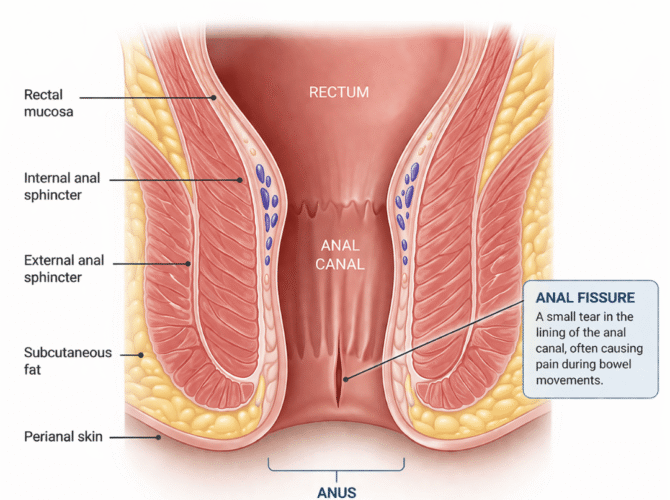
Anal Fissure Treatment in Bangalore
If you are experiencing sharp pain, bleeding, or a burning sensation during bowel movements, you may be suffering from an anal fissure — one of the most common yet most ignored anorectal conditions in Bangalore. The good news is that with advanced laser fissure surgery in Bangalore at Hari Laser Clinics, you can get permanent relief through a single daycare procedure — no cuts, no stitches, and no hospital stay.
Under the care of Dr. Varun Kumar J — a DNB-qualified General Surgeon with 14+ years of experience and 5,000+ successful laser procedures — every fissure treatment plan at Hari Laser Clinics is personalised for safe, effective, and lasting results.
Pain during bowel movements is not normal. Do not delay. Book a consultation with our fissure specialist in Bangalore today.
Benefits of Laser Fissure Treatment
Minimally Invasive Surgery
Minimal Blood Loss
No Wounds
Painless Surgery
Day Care
USFDA Approved
Meet the Specialist – Fissure Doctor in Bangalore
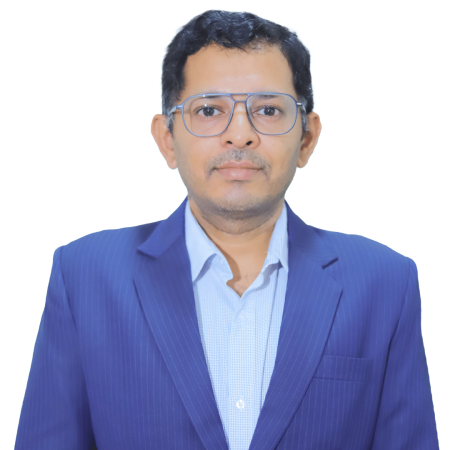
MBBS, DNB (General Surgery), FIAGES, FMAS
Dr. Varun Kumar J,
MBBS, DNB (General Surgery), FIAGES, FMAS
General & Laparoscopic Surgeon & Laser Surgeon
Dr. Varun Kumar J is an experienced Laparoscopic and Laser Surgeon in Bangalore with over 14 years of expertise in minimally invasive surgery. He specializes in piles, fissure, fistula, varicose veins, and hernia treatments using advanced laser techniques.
Known for his compassionate care and precision, Dr. Varun ensures every procedure is safe, simple, and stress-free for his patients.
What Is an Anal Fissure?
An anal fissure is a small but intensely painful tear or crack in the thin, moist tissue lining the anus — called the anoderm. Despite being a minor physical injury, it causes severe, disproportionate pain because the internal anal sphincter muscle goes into repeated spasm around the tear. This spasm cuts off blood supply to the area and prevents natural healing — which is why fissures so often become chronic when left untreated.
Anal fissures affect men and women equally, at all ages — including children and young adults. In India, fissures are among the top three reasons patients visit a proctology or general surgery clinic in cities like Bangalore. Most patients delay treatment for weeks or months out of embarrassment or fear of surgery — by which time the condition has become chronic and conservative treatment is no longer sufficient.
The condition becomes chronic when the sphincter spasm persists, the tear deepens, and scar tissue forms at the base of the fissure — called a sentinel skin tag. At this stage, laser fissure surgery in Bangalore is the only reliable path to permanent relief.
Symptoms of Anal Fissure
Recognising fissure symptoms early is critical. Many patients mistake fissure pain for piles and take the wrong treatment for months. The key difference is this: fissures cause sharp, cutting pain during and after passing stools, while piles typically cause painless bleeding.
See a fissure specialist in Bangalore if you experience any of the following:
- Sharp, knife-like or burning pain during bowel movements
- Pain that continues for 15 minutes to 2 hours after passing stools — this is the most characteristic feature of a fissure
- Bright red blood on toilet paper or in the toilet bowl
- A visible small crack, cut, or tear near the anal opening
- Itching or irritation around the anus
- A small fleshy lump near the edge of the fissure — called a sentinel skin tag
- Painful spasms of the anal sphincter muscle after defaecation
- Fear of using the toilet due to anticipated pain — leading to voluntary constipation, which worsens the fissure further
If any of these symptoms have persisted for more than two weeks, do not wait. Consult an experienced fissure doctor in Bangalore immediately. Early treatment prevents the condition from becoming chronic and avoids the need for surgery altogether.
Causes of Anal Fissure
Anal fissures develop when the anal canal lining is overstretched or traumatised beyond its elasticity. Understanding the cause helps Dr. Varun Kumar J design a treatment plan that heals the current fissure and prevents recurrence.
Dietary and Bowel Causes:
- Chronic constipation — the single leading cause; hard, dry stools stretch and tear the anal lining with every bowel movement
- Excessive straining during defaecation
- Low-fibre diet causing infrequent, difficult, or bulky stools
- Chronic or persistent loose motions (diarrhoea), which repeatedly irritate and inflame the mucosal lining
Medical and Physical Causes:
- Childbirth trauma — particularly during vaginal delivery; one of the most common causes of fissures in women
- Inflammatory bowel disease — Crohn’s disease and ulcerative colitis
- Previous anal surgery or instrumentation
- Sexually transmitted infections affecting the anal region
- Reduced blood flow to the anal area, more common in older adults
Lifestyle Causes:
- Sedentary lifestyle with prolonged sitting — reduces blood circulation to the pelvic floor
- Inadequate hydration — causes hard stools
- Obesity — increases pressure on the pelvic floor muscles
Types of Anal Fissure
Acute Anal Fissure: A recent tear, typically less than six weeks old. The edges are fresh, soft, and well-defined. Acute fissures often respond to conservative management — high-fibre diet, stool softeners, sitz baths, and topical anaesthetic or nitrate creams. Most acute fissures heal within four to six weeks with proper care and discipline.
Chronic Anal Fissure: A fissure that has been present for more than six weeks, or has recurred multiple times. Chronic fissures develop features that make natural healing nearly impossible — a deep, indurated (hardened) base, exposed internal sphincter muscle fibres, a sentinel skin tag at the lower end, and a hypertrophied anal papilla at the upper end. Conservative management provides only temporary, incomplete relief at this stage. Laser fissure treatment in Bangalore is required for complete and permanent cure.
Primary vs. Secondary Fissures: Primary fissures have no identifiable underlying disease — they occur due to constipation or direct trauma. Secondary fissures are associated with an underlying condition such as Crohn’s disease, tuberculosis, HIV, or anal cancer, and require treatment of the root cause alongside fissure management.
How Is an Anal Fissure Diagnosed?
At Hari Laser Clinics, diagnosis is thorough, gentle, and completely dignified. Dr. Varun Kumar J uses the following steps to accurately assess your condition before recommending any fissure treatment in Bangalore.
Step 1 — Medical History Review Dr. Varun begins with a detailed history — duration of symptoms, frequency and nature of pain, bowel habits, diet, previous treatments tried, and any known underlying medical conditions.
Step 2 — Visual Inspection In most cases, an anal fissure can be identified through gentle visual inspection of the perianal area alone. The fissure is typically located at the posterior midline — the 6 o’clock position — in approximately 90% of cases. This step is almost always sufficient for diagnosis.
Step 3 — Digital Rectal Examination (only when required) A gentle examination to assess sphincter tone and identify any associated anorectal conditions such as internal piles or fistula. This is performed only when clinically necessary and with full patient comfort as the priority.
Step 4 — Anoscopy (only when required) A thin, well-lubricated anoscope is used to view the inside of the anal canal. This confirms the extent of the fissure, identifies hypertrophied papillae or internal openings, and rules out other conditions. It is recommended selectively — not for every patient.
An accurate diagnosis ensures that the correct fissure treatment in Bangalore is selected — avoiding unnecessary surgery for cases that can heal conservatively, and avoiding delayed surgery for cases that genuinely require it.
How Diagnose and Treat Fissure Condition?
Diagnosis begins with a medical history review and physical examination. A fissure doctor in Bangalore may perform a visual inspection or gentle rectal examination to assess the type and severity of the fissure.
In some cases, an anoscopy may be recommended to view the inside of the anal canal. This helps confirm the diagnosis and rule out other anorectal conditions.
After the assessment, the doctor recommends the most suitable fissure treatment in Bangalore. Treatment may include topical therapy, lifestyle advice, or laser procedures depending on the stage and severity.
Cost of Fissure Treatment in Bangalore
The cost of fissure treatment in Bangalore depends on the type and severity of the condition. Therefore, doctors usually recommend a consultation first.
In most cases, the fissure treatment cost in Bangalore typically ranges from Rs. 37,000 (approx.) to Rs. 55,000 (approx.), depending on factors such as the severity of the condition, diagnostic tests required, and hospital facilities.
Factors That Affect Fissure Surgery Cost
- Type of fissure (acute or chronic)
- Type of treatment (laser or conventional surgery)
- Diagnostic tests required before the procedure
- Hospital facilities and infrastructure
- Experience of the fissure surgeon in Bangalore
For an accurate estimate of the fissure treatment cost in Bangalore, consulting a qualified fissure specialist in Bangalore is recommended. A detailed evaluation helps determine the best treatment option and the exact pricing.
Areas We Serve for Fissure Treatment in Bangalore
Patients looking for fissure treatment in Bangalore can consult Dr. Varun Kumar J at multiple locations across the city. Clinics are located in major areas including:
JP Nagar 1st Phase
BTM Layout
Koramangala
JP Nagar (Sarakki)
Jayanagar 4th Block
Jayanagar 5th Block
These locations make it convenient for patients to access consultation and advanced fissure treatment in Bangalore.
Book a Consultation for Fissure Treatment in Bangalore
If you are experiencing symptoms like pain, bleeding, or burning during bowel movements, consult an experienced fissure doctor in Bangalore without delay. At Hari Laser Clinics, Dr. Varun Kumar J offers advanced fissure treatment in Bangalore using modern laser procedures for safe and effective relief.
Call now to book your consultation.
Commonly Asked Questions
Which is the best treatment for fissures?
An acute fissure is a fresh tear less than six weeks old and often heals with medication and diet changes. A chronic fissure persists beyond six weeks and usually requires laser fissure surgery in Bangalore for complete relief.
What is the difference between piles and a fissure?
Piles are swollen veins that cause painless bleeding. A fissure is a tear in the anal lining that causes sharp pain during bowel movements. Both can occur together, so accurate diagnosis is important.
Can stress cause an anal fissure?
Stress does not directly cause a fissure. However, it can disrupt digestion and lead to constipation, which increases the risk. Managing stress through exercise, sleep, and a balanced diet helps reduce the risk.
Can a fissure and piles occur at the same time?
Yes. Both conditions can occur together, especially when left untreated for long. Early consultation with a specialist helps diagnose and address all conditions before they worsen.
Is laser fissure surgery better than traditional surgery?
Yes. Laser surgery is minimally invasive, involves no cuts or stitches, causes less pain, and allows recovery in two to three days compared to two to four weeks with traditional surgery.
Is laser fissure treatment a daycare procedure?
Yes. Patients arrive, receive treatment under local anaesthesia, and are discharged the same day. Most resume light activities within 24 to 48 hours.
How long does the laser fissure procedure take?
The procedure takes 30 to 45 minutes. After a short observation period, patients are discharged the same day.
Is laser fissure treatment safe?
Yes. It is a clinically proven, USFDA-approved procedure involving minimal blood loss, no large incisions, and a very low risk of complications.
Can fissures come back after laser surgery?
Recurrence is uncommon. Patients who follow post-procedure dietary and lifestyle advice, maintain a high-fibre diet, stay hydrated, and avoid straining have very low recurrence rates.
How long does recovery take after laser fissure surgery?
Most patients experience significant relief within two to three days. Complete healing typically occurs within two to four weeks.
What should I eat after fissure surgery?
Eat fibre-rich foods like fruits, vegetables, and whole grains. Drink eight to ten glasses of water daily. Avoid spicy food, alcohol, and processed foods during the initial recovery period.
What activities should I avoid after fissure treatment?
Avoid strenuous activity and heavy lifting for the first few days. Light walking is beneficial. Avoid sitting for long periods and use a foam cushion if needed.
Are sitz baths helpful after fissure surgery?
Yes. Sitting in warm water for 10 to 15 minutes three times daily reduces swelling, cleans the area, and relieves post-procedure discomfort.
What foods help prevent anal fissure?
Fruits like papaya, banana, and guava, along with vegetables, lentils, oats, and whole grains help maintain soft stools. Drinking adequate water daily is equally important.
Does exercise help with fissure recovery and prevention?
Yes. Regular physical activity improves digestion, prevents constipation, and supports blood flow to the anal region. Even daily walking is beneficial.
Can lifestyle changes alone cure an anal fissure?
Acute fissures often heal within four to six weeks with diet changes, hydration, sitz baths, and topical medication. Chronic fissures that do not respond within six weeks require laser fissure treatment in Bangalore.
What is the cost of fissure treatment in Bangalore?
The cost typically ranges from Rs. 37,000 to Rs. 55,000 approximately, depending on the type of fissure and procedure required. A consultation provides an accurate estimate.
Is insurance available for fissure treatment?
Many health insurance policies cover fissure surgery when medically necessary. The clinic team at Hari Laser Clinics can assist with documentation and insurance queries.
Is cashless treatment available for fissure surgery?
Cashless availability depends on the patient’s insurance provider and policy terms. Contact Hari Laser Clinics directly to verify cashless facility options before the procedure.