
USFDA-Approved Laser Piles Care
Daycare Piles Treatment in Bangalore
Living with piles can make even simple daily activities uncomfortable — pain, bleeding, itching, swelling, or difficulty sitting for long periods. Hari Laser Clinics offers advanced, personalised Piles Treatment in Bangalore, from lifestyle guidance for early-grade piles to painless laser piles surgery for advanced cases — a day-care procedure with minimal bleeding and a quick return to normal life.
Led by laser and laparoscopic surgeon Dr. Varun Kumar J, our team treats every grade of hemorrhoids with evidence-based care, recommending surgery only when it’s genuinely needed.

Sharp Pain When Passing a Hard Stool?
If passing a hard stool has started to hurt, and you’ve noticed any of the following, it’s very likely piles (hemorrhoids) – but it should still be checked, not guessed at:
Bright red blood on toilet paper after pooping:
This is usually fresh bleeding from a swollen vein near the surface of the anal canal, not from higher up in the digestive tract. It typically shows up as bright red streaks on the paper or a few drops in the toilet bowl, rather than mixed into the stool itself.
Painful hard lump near anus:
A painful lump is often a sign of a thrombosed external pile – this happens when a blood clot forms inside the swollen vein, making it firm, tender, and sometimes bluish in colour. Unlike a regular pile, a thrombosed one can hurt continuously, not just during bowel movements.
Butt itch and burn:
Itching and a burning sensation around the anus are common with piles, caused by irritation, mucus discharge, or minor skin breakdown around the swollen tissue. This can worsen with wiping or prolonged sitting.
These three signs together are the most common way patients first notice piles. Early-grade piles (Grade I–II) usually respond well to diet, hydration, and topical treatment. Pain combined with a hard lump, or bleeding that doesn’t settle in a few days, is a sign to get examined by a specialist rather than self-treat.
Can a Pile Shrink Back Inside on Its Own?
Yes, in the early stages. Grade I and Grade II piles can reduce in size and even go back to normal on their own with consistent fibre intake, hydration, and avoiding straining during bowel movements. This is exactly why Grade II piles are defined as ones that “prolapse during bowel movements but return inside on their own” – the body is still able to reabsorb the swelling at this stage.
Once a pile progresses to Grade III, it no longer retracts by itself and needs to be pushed back in manually after each bowel movement. Grade IV piles stay permanently prolapsed outside the anus and won’t shrink back regardless of diet, hydration, or medication – at this stage, a procedure (banding, sclerotherapy, or laser surgery depending on severity) is what brings lasting relief, not lifestyle changes alone.
A simple way to tell where you stand: if a lump appears after straining and disappears on its own within a short while, that’s consistent with Grade I–II. If you find yourself having to push it back in, or it never fully goes away, that’s a sign the grade has progressed and a medical evaluation is the next step – home remedies alone won’t reverse it at that point.
Difference Between Piles and Fissure
Piles and anal fissures are often confused because both cause pain and bleeding during bowel movements, but they are different conditions with different causes and different treatment.
| Piles (Hemorrhoids) | Anal Fissure | |
|---|---|---|
| What it is | Swollen veins inside or around the anus | A small tear in the lining of the anal canal |
| Pain pattern | Often painless (internal piles), or a dull ache - sharp only if thrombosed | Sharp, cutting or burning pain during and for a while after passing stool |
| Bleeding | Bright red, coats the stool or drips into the bowl | Bright red, usually streaked on the surface of the stool |
| Lump | Yes - a soft or firm swelling may be felt at the anal opening | No lump, though a small "sentinel skin tag" can form near a chronic fissure |
| Typical cause | Chronic straining, prolonged sitting, pregnancy, low-fibre diet | A single episode of a very hard stool, or trauma during passage |
| Duration of pain | Usually brief, or absent | Often lingers for minutes to hours after passing stool |
Because the symptoms overlap so closely – both cause bleeding, both are aggravated by hard stools – self-diagnosis is unreliable. A short physical examination is usually all it takes for a specialist to tell the two apart and recommend the right treatment, since the management for each is quite different (piles may need banding or laser treatment; fissures often respond to topical relaxants and stool softening first).
Does Sitz Bath Cure Piles?
A sitz bath – sitting in a few inches of warm water for 10–15 minutes, a few times a day, especially after a bowel movement – genuinely helps with the symptoms of piles. It relaxes the anal sphincter muscle, improves local blood flow, and eases pain, itching, and swelling. It’s a well-supported, low-cost comfort measure, particularly for Grade I and II piles, and many doctors recommend it alongside other treatment.
What it does not do is cure piles.
A sitz bath doesn’t shrink an enlarged hemorrhoid or reverse a prolapse – it soothes the area while the underlying grade of the condition determines what treatment is actually needed. Someone with a Grade III or IV pile can take sitz baths daily and feel some relief, but the prolapse itself won’t resolve without a procedure.
The most useful way to think about it: sitz baths are supportive care that make the condition more comfortable to live with and can aid recovery after a procedure – not a standalone cure. They work best combined with fibre intake, hydration, and, where needed, medical or surgical treatment.
Foods to Soften Stool Immediately
Hard stools are one of the main triggers for piles flare-ups, so softening them quickly reduces both pain and further irritation. The fastest-acting options, commonly used in Indian households, are:
Isabgol (psyllium husk) mixed in warm water or milk before bed – one of the fastest and most reliable natural stool softeners, often showing results within a day
Papaya – soft, water-rich, and easy on digestion; a good breakfast option during a flare-up
Banana and pear – fibre- and water-rich fruits that ease straining, usually within a day or two
Flaxseed or chia seeds, soaked in water before eating – add both bulk and moisture to stool
Warm water first thing in the morning, followed by consistent fluid intake through the day – dehydration is one of the most common, and most fixable, causes of hard stool
Curd/yoghurt and other probiotic foods – support more regular bowel movement over a few days
What to avoid while symptoms are active:
excess tea and coffee (both can be dehydrating), fried and oily food, and refined low-fibre foods like white rice and maida, all of which tend to make stools harder and slower to pass.
Most people notice softer, easier-to-pass stools within a day or two of consistently following these changes. If hard stools persist despite dietary changes, that’s worth mentioning at your consultation, since it may point to a factor beyond diet alone.
Laser Treatment for Piles Cost
At Hari Laser Clinics, laser piles surgery typically costs ₹37,000 to ₹85,000, depending on a few factors:
Grade and severity of the hemorrhoids – higher grades generally involve more extensive treatment
Number of hemorrhoids being treated in a single procedure
Type of anaesthesia used – local vs. regional/general
Associated conditions, such as an accompanying fissure or fistula, which may need to be addressed at the same time
Many health insurance providers cover piles surgery when it’s medically necessary rather than cosmetic – our team assists patients with cashless treatment verification and reimbursement documentation, so cost isn’t a barrier to getting timely care.
Because every patient’s condition is different, the figures above are a realistic range rather than a fixed quote – the most accurate cost can only be confirmed after a detailed consultation and examination with Dr. Varun Kumar J, where the grade and extent of treatment needed is assessed directly.
Your Specialist
Meet the Specialist – Piles Doctor in Bangalore
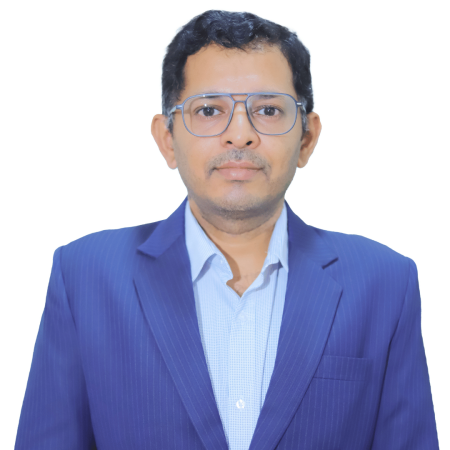
Dr. Varun Kumar J is a DNB General Surgery-qualified, FIAGES-fellowship laser and laparoscopic surgeon with over 11 years focused specifically on proctology and vascular procedures. He has performed 3,000+ surgeries at Hari Laser Clinics, with a 4.9★ Google rating and a 99% patient recommendation rate.
What this focus means in practice: rather than defaulting to surgery, patients are assessed by grade and offered the least invasive option that will actually resolve their condition – diet and medication for early grades, office procedures like banding or sclerotherapy for moderate cases, and laser surgery reserved for grades that genuinely need it. This evidence-based approach, rather than a one-size-fits-all surgical recommendation, is what patients consistently mention in reviews.
Can Piles Turn Into Colorectal Cancer?
No – piles do not turn into or cause colorectal cancer. They are two completely different conditions: piles are swollen veins caused by pressure and straining, while colorectal cancer involves abnormal cell growth in the lining of the colon or rectum. One does not become the other.
The reason doctors take persistent rectal bleeding seriously, even when it looks like a “typical” piles symptom, is that early colorectal cancer can cause similar warning signs – bleeding, a change in bowel habits, or a feeling of incomplete evacuation. Because the symptoms can look alike on the surface, the only reliable way to be sure is a proper examination.
When it’s worth getting checked rather than assuming it’s piles:
Bleeding that doesn’t improve with piles treatment after a reasonable period
A noticeable change in bowel habits alongside the bleeding
Unexplained weight loss
Bleeding in someone over 45–50, or with a family history of colorectal cancer, even if it looks like typical piles bleeding
In these situations, a specialist may recommend a proctoscopy, and a colonoscopy if needed, simply to rule out anything more serious before confirming and treating piles. This is also the main reason self-diagnosing and self-treating persistent bleeding isn’t a good idea – getting an accurate diagnosis matters more than which condition feels more likely.
Areas We Serve for Piles Treatment in Bangalore
Hari Laser Clinics is conveniently accessible for patients seeking piles treatment across South Bangalore, including:
BTM Layout
Piles Treatment in BTM Layout
Sarakki
Piles Treatment in Sarakki, JP Nagar
Wherever you are in South Bangalore, our Jayanagar clinic and nearby branches are just a short drive away for consultation and treatment.
Commonly Asked Questions
Yes. Early-stage hemorrhoids often improve with dietary changes, medications, hydration, and lifestyle modifications. However, advanced grades may require minimally invasive procedures or surgery.
Laser piles surgery generally causes less pain than conventional hemorrhoidectomy because it involves minimal tissue damage and smaller wounds.
The procedure usually takes 30–45 minutes, depending on the number and severity of the hemorrhoids.
Yes. Most patients undergoing laser surgery are discharged on the same day after a short observation period.
Many patients resume office work within 2–5 days, although recovery varies depending on individual healing and the nature of the job.
Recurrence is possible if constipation, prolonged straining, obesity, or unhealthy bowel habits continue. Following dietary advice and maintaining a healthy lifestyle can significantly reduce the risk.
No. Rectal bleeding may also occur due to anal fissures, colorectal polyps, inflammatory bowel disease, or colorectal cancer. Any persistent bleeding should be evaluated by a specialist.
Yes. Pregnancy increases pressure on the pelvic veins and commonly contributes to hemorrhoids. Many pregnancy-related piles improve after delivery, although some patients may require treatment later.
Patients are generally advised to limit highly processed foods, low-fibre diets, excessive alcohol, and inadequate water intake. A fibre-rich diet supports easier bowel movements.
Simple lifestyle changes help, including a high-fibre diet, drinking plenty of water, regular exercise, avoiding prolonged sitting, responding promptly to the urge to pass stools, and maintaining a healthy body weight.