
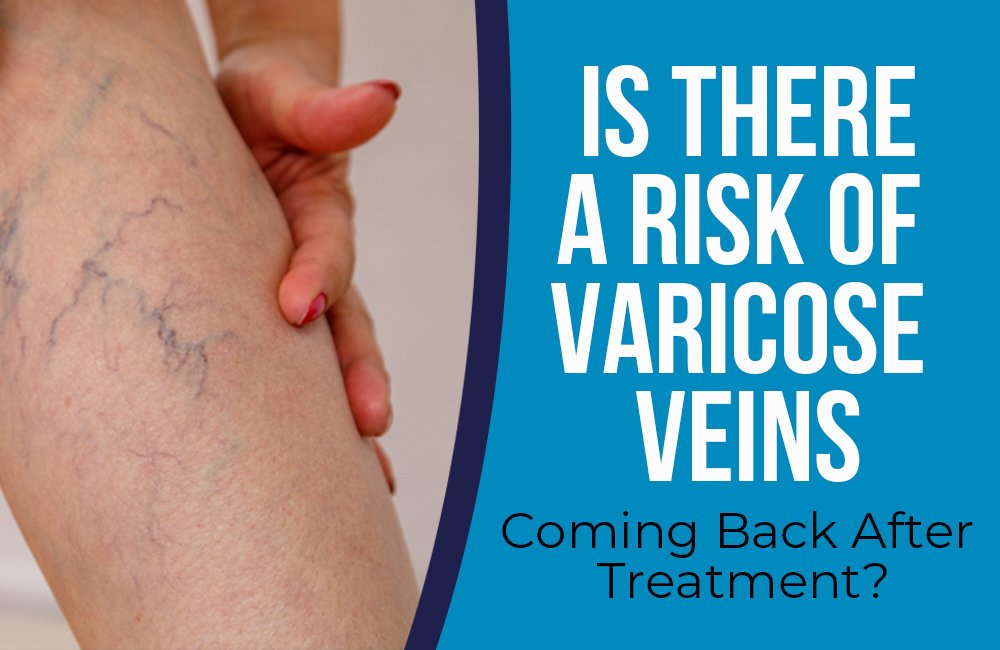
Varicose veins treatment often brings relief from pain, swelling, and visible vein changes. However, one common concern many patients share after treatment is whether varicose veins can come back.
The short answer is: recurrence is possible, but it is not inevitable. With modern diagnostic techniques and advanced laser treatments, the risk of varicose veins returning has reduced significantly. Understanding why recurrence happens — and how it can be prevented — plays a key role in long-term vein health.
Introduction: A Common Concern After Varicose Veins Treatment
Many patients feel anxious after undergoing varicose veins treatment, wondering if the problem might return in the future. This concern is understandable, especially when varicose veins have caused discomfort for years before treatment.
What is often misunderstood is that varicose veins are not just a surface-level issue. They are part of a progressive vein condition that develops over time due to problems within the vein system. While earlier treatments focused mainly on removing visible veins, modern approaches aim to correct the underlying cause.
Today, advanced laser varicose veins treatments have significantly lowered recurrence rates by targeting faulty veins at their source. Knowing why varicose veins can recur — and how modern care prevents this — helps patients feel confident and informed about their treatment outcomes.
Understanding Varicose Veins as a Long-Term Condition
Varicose veins develop when the valves inside veins weaken or fail. These valves normally help blood flow upward toward the heart. When they stop working properly, blood flows backward and collects in the veins, increasing pressure and causing them to enlarge.
This means varicose veins are a chronic vein condition, not just a cosmetic problem. Over time, vein pressure can affect new areas of the vein system, even after treatment.
Why Treating Visible Veins Alone Is Not Enough
In the past, treatments often removed only the visible bulging veins. While this improved appearance, it did not always address the underlying source vein causing abnormal blood flow.
If the source vein remains untreated:
- Pressure continues within the vein system
- New varicose veins may develop nearby
- Symptoms may gradually return
This is why modern vein care focuses on accurate diagnosis and source vein treatment, not just surface-level correction.
Can Varicose Veins Really Come Back After Treatment?
Yes, varicose veins can come back after treatment — but recurrence is not guaranteed.
The likelihood of varicose veins returning depends on several important factors, including:
- Type of treatment used
Modern laser treatments have lower recurrence rates compared to older surgical methods. - Severity of vein disease
Advanced or widespread vein damage carries a higher risk of recurrence. - Genetic factors
A family history of varicose veins increases long-term risk. - Lifestyle influences
Prolonged standing, obesity, and inactivity can contribute to new vein problems. - Follow-up care and monitoring
Regular follow-ups help detect and manage early changes before symptoms worsen.
It is important to understand that recurrence does not mean treatment failure. In many cases, it reflects the natural progression of vein disease, which can be managed effectively with timely care.
Why Do Varicose Veins Come Back After Treatment?
This is one of the most common and important questions patients ask after undergoing varicose veins treatment. While modern treatments are highly effective, varicose veins can sometimes return due to the progressive nature of vein disease, rather than failure of the treatment itself.
Recurrence usually happens when new veins become affected over time or when the underlying vein problem continues to evolve.
Common Reasons for Varicose Veins Recurrence
- Incomplete Treatment of Underlying Vein Disease
Varicose veins develop due to faulty vein valves and abnormal blood flow. If treatment focuses only on visible veins without addressing the source vein, pressure can persist within the vein system, increasing the risk of recurrence. Proper diagnosis and source-vein closure play a crucial role in long-term success.
- Development of New Faulty Veins Over Time
Even after successful treatment, new veins can weaken as part of the natural progression of venous disease. This does not mean the treated vein has reopened; rather, different veins may become affected later.
- Genetic Predisposition
Genetics is a major risk factor. Patients with a family history of varicose veins have a higher lifetime risk of recurrence, even after effective treatment. In such cases, long-term monitoring becomes especially important.
- Lifestyle Factors
Lifestyle plays a significant role in vein health. Prolonged standing or sitting, obesity, lack of physical activity, and poor circulation can increase pressure in leg veins, contributing to the development of new varicose veins after treatment.
- Pregnancy and Hormonal Changes
Pregnancy places additional pressure on leg veins, while hormonal changes can weaken vein walls. These factors may lead to the appearance of new varicose veins, even in women who have undergone treatment earlier.
- Delayed or No Follow-Up Care
Regular follow-up visits help identify early vein changes before symptoms worsen. Skipping follow-up care can allow minor vein issues to progress unnoticed, increasing the risk of recurrence.
Does the Type of Treatment Affect Recurrence Risk?
Yes, the type of treatment used plays a major role in determining recurrence risk. Advances in vein treatment have significantly improved long-term outcomes.
Traditional Surgery vs Modern Laser Treatment
Older surgical methods often involved physically removing veins through incisions. While effective at the time, these procedures were associated with:
- Higher recurrence rates
- Longer recovery periods
- Greater tissue disruption
Modern laser varicose veins treatment has transformed outcomes by offering a more precise, targeted approach.
Laser treatment reduces recurrence risk because it:
- Uses high precision to target faulty veins
- Is ultrasound-guided, ensuring accurate vein mapping
- Focuses on closing the source vein, not just removing surface veins
By correcting abnormal blood flow at its origin, laser treatment supports more durable results and healthier long-term circulation.
Can Varicose Veins Come Back After Laser Treatment?
Laser treatment has one of the lowest recurrence rates among available varicose veins treatments. However, no treatment can completely eliminate future risk, especially in patients with genetic or lifestyle risk factors.
Recurrence after laser treatment may occur due to:
- Development of new vein disease elsewhere
- Progression of underlying venous insufficiency
- Inadequate vein mapping before treatment
This is why proper diagnosis, advanced imaging, and experienced specialists are critical to long-term success.
At Hari Laser Clinics, detailed vein mapping and personalised treatment planning help reduce recurrence risk while ensuring safe and effective outcomes.
How Common Is Recurrence After Varicose Veins Treatment?
There is no single recurrence rate that applies to everyone. Recurrence varies from patient to patient, depending on disease severity, treatment method, and long-term care.
What is important to understand is:
- Modern treatments have significantly improved success rates
- Recurrence does not mean the original treatment failed
- Early recurrence detection allows simpler, less invasive management
With regular follow-up and timely care, most recurrent vein issues can be addressed before they become severe.
Signs That Varicose Veins May Be Returning
Recognising early symptoms allows for quicker intervention and better outcomes. Patients should watch for:
- A feeling of heaviness or aching in the legs
- Appearance of new visible or bulging veins
- Swelling around the ankles or lower legs
- Skin changes such as darkening or irritation
- Pain or discomfort after prolonged standing or sitting
If these symptoms appear, consulting a specialist early can help prevent progression and maintain long-term vein health.
How to Reduce the Risk of Varicose Veins Coming Back
While varicose veins can come back after treatment in some patients, the risk of recurrence is manageable. Long-term success depends on combining effective treatment with preventive care and regular monitoring. Patients who follow a structured aftercare plan often experience lasting relief and better vein health.
Practical Prevention Tips
Regular follow-ups
Scheduled reviews allow early detection of vein changes before symptoms worsen. Early intervention keeps recurrence simpler to manage.
Maintain a healthy weight
Excess weight increases pressure on leg veins, raising the risk of varicose veins coming back after treatment. Weight management supports healthy circulation.
Stay physically active
Activities like walking improve calf muscle function, which helps pump blood upward and reduces venous pressure.
Avoid prolonged standing or sitting
Long hours in one position slow blood flow. Taking short movement breaks helps prevent pressure build-up in leg veins.
Wear compression stockings if advised
Compression stockings support vein function and reduce swelling, especially for patients with higher recurrence risk or long work hours.
Consistent lifestyle care, combined with modern treatment, significantly lowers the chances of recurrence over time.
When Should You See a Doctor Again?
Seeing a specialist early can make a big difference if varicose veins start to return. You should consider a review if you notice:
- New or recurring symptoms, such as heaviness, aching, or swelling
- Appearance of new visible veins, even if they are small
- Cosmetic concerns that affect confidence
- Medical symptoms, including skin changes or discomfort after standing
An early review often means simpler, less invasive treatment and better long-term outcomes. Recurrence does not mean starting from scratch—timely care keeps treatment straightforward.
How Hari Laser Clinics Helps Reduce Recurrence Risk
At Hari Laser Clinics, recurrence prevention is an integral part of varicose veins care—not an afterthought. The approach focuses on accurate diagnosis, precise treatment, and long-term follow-up.
Advanced diagnostics
Detailed clinical evaluation and imaging help identify the true source of vein disease, not just surface veins.
Ultrasound-guided laser treatment
Laser treatment is guided by real-time imaging to ensure accurate closure of faulty veins, reducing the risk of future problems.
Personalised treatment plans
Each patient’s vein condition, lifestyle, and risk factors are considered to create a tailored care plan.
Long-term follow-up approach
Ongoing monitoring helps detect early changes and manage them promptly, supporting durable results.
This comprehensive, patient-centred approach helps minimise recurrence while maintaining safety and comfort.
Final Thoughts: Should Fear of Recurrence Stop You From Treatment?
It’s natural to wonder whether varicose veins will come back after treatment. The truth is that recurrence is possible, but it should not discourage treatment.
Modern laser varicose veins treatment has made outcomes far more reliable, and when combined with proper diagnosis, preventive care, and follow-up, long-term relief is achievable for most patients.
Early treatment, informed lifestyle choices, and continued care offer the best protection against recurrence—helping patients move forward with confidence and healthier legs.
Frequently Asked Questions About Varicose Veins Recurrence
No. Varicose veins do not always come back after treatment. Many patients enjoy long-term relief, especially with modern laser treatments that address the source vein. Recurrence depends on factors like genetics, lifestyle, and follow-up care.
Recurrence is less common after laser varicose veins treatment compared to traditional surgery. Laser treatment offers better precision and long-term results, though new vein problems can still develop over time.
There is no fixed timeline. Varicose veins may return years after treatment in some patients, while others never experience recurrence. Regular follow-ups help detect early changes.
Lifestyle changes such as staying active, managing weight, and avoiding prolonged standing can reduce the risk of recurrence, especially when combined with proper medical treatment.
Not usually. Recurrent varicose veins are often easier to treat when detected early, using minimally invasive techniques like laser treatment.
Reference Links
- Can Varicose Veins Come Back After Treatment?
- Can Varicose Veins Come Back After Treatment?
- Assessment of Causes and Patterns of Recurrent Varicose Veins After Surgery