
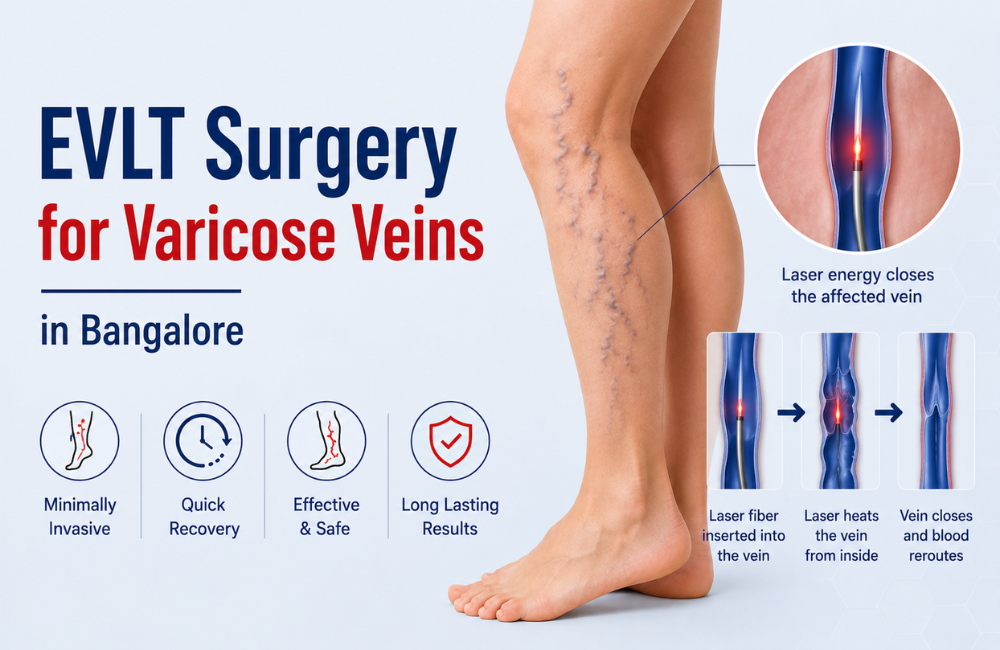
Does Weightlifting Really Cause Varicose Veins?
Does weightlifting cause varicose veins? Many gym-goers ask this after spotting bulging veins during heavy workouts. Heavy lifting raises pressure inside the legs. Some people worry this can damage their veins for good.
The good news: weightlifting does not directly cause varicose veins in most people. Repeated strain can make existing vein weakness worse, though. Symptoms may also become more visible over time.
Exercise is still good for blood flow. Regular movement helps keep veins healthy when done right. Problems usually happen when people lift too heavy, skip rest, breathe poorly, or already have weak vein valves.
Many doctors get asked this too: does weightlifting cause varicose veins, or does it just make an existing problem worse? In most cases, heavy lifting is more of a trigger than a root cause.
Some people also mix up normal gym veins with vein disease. Leg heaviness, swelling, aching, or twisted visible veins may point to a deeper problem: Don’t Ignore Varicose Veins
What Are Varicose Veins?
Varicose veins are swollen, twisted veins. They usually show up in the legs. They form when the valves inside the veins get weak or stop working.
Healthy veins push blood up toward the heart. Tiny valves keep the blood from sliding back down. When valves fail, blood sits inside the veins instead of moving up.
As this pressure grows:
- Veins stretch
- Veins swell up
- Veins show through the skin
- Symptoms get worse over time
The legs are hit hardest because gravity pulls blood downward.
Common Symptoms of Varicose Veins
Symptoms tend to start mild. Many people brush them off early on.
Common signs include:
- Blue or purple bulging veins
- Heavy legs after standing
- Puffy ankles
- A burning feeling
- Leg cramps at night
- Itchy skin near veins
- Tired or sore legs
In many cases, symptoms get worse after hard gym sessions or heavy lifting.
Does Weightlifting Cause Varicose Veins?
Does weightlifting cause varicose veins directly? Usually, no. Heavy lifting can raise pressure in the veins and make existing problems worse, though.
Exercises like squats and deadlifts push pressure up sharply inside the belly and lower body. Blood flow back to the heart slows down for a short time.
Over time, this repeated pressure can:
- Strain weak vein valves
- Cause blood to pool
- Make swelling worse
- Push veins closer to the surface
- Add to pain after workouts
This is why some people notice more symptoms during hard training.
Does weightlifting cause varicose veins in people with healthy veins and no risk factors? Most of the time, no. Genes and weak veins play a much bigger role.
Why Heavy Lifting Raises Vein Pressure
Heavy exercise raises pressure inside the belly. This puts stress on blood flow in the legs.
Exercises that raise this pressure most include:
- Heavy squats
- Deadlifts
- Leg presses
- Olympic lifts
- Heavy standing moves
When pressure spikes:
- Blood flow slows briefly
- Vein valves work harder
- Pressure inside the veins climbs
- Blood may pool in weak veins
Many lifters also hold their breath during hard sets. This makes the pressure jump even higher.
Doing this often may make symptoms worse in people with already-weak veins.
Can Weightlifting Make Existing Varicose Veins Worse?
Yes. Weightlifting can make existing varicose veins worse in some people.
Symptoms may get worse after:
- Heavy leg days
- Long gym sessions
- Repeated straining
- Too much heavy lifting
Some people then notice:
- More swelling
- Burning in the legs
- More visible veins
- Heavy, tired legs
- Throbbing pain after training
Exercise is not unsafe for everyone with vein problems, though. Workout intensity often just needs to be adjusted.
Visible Gym Veins vs Varicose Veins
Many gym-goers get scared when they see veins pop up during a workout. Gym veins and varicose veins are not the same thing, though.
Gym veins are usually:
- Straight or slightly raised
- Gone soon after training
- Common in lean people
- Painless
Varicose veins are different. They are:
- Swollen and stay that way
- Twisted or bulging
- Linked to pain or heaviness
- Often paired with swelling or burning
Seeing veins at the gym does not always mean something is wrong.
Does Weightlifting Directly Cause Varicose Veins or Only Trigger Them?
In most cases, heavy lifting triggers varicose veins rather than causes them.
Most people who get varicose veins already have:
- Weak vein valves
- A family history of vein problems
- Poor blood flow
- Lifestyle factors that stress the veins
Heavy lifting just adds extra pressure on veins that are already fragile.
So does weightlifting cause varicose veins in everyone? No. Several factors usually work together over many years.
Genetics vs Lifestyle Factors
Genes play a big role in who gets varicose veins.
Your risk goes up if you:
- Have parents with varicose veins
- Stand for long hours each day
- Are overweight
- Have poor blood flow
- Sit for long stretches
- Have been pregnant
Because of this, some people get symptoms much faster than others — even with the same workout plan.
Why Some Lifters Get Varicose Veins Faster
Some people lift heavy for years with no issues. Others notice vein problems much sooner.
This gap often comes down to:
- Genes
- How strong the vein valves are
- How well they recover
- Blood flow quality
- Body weight
- Training habits
The same workout can affect two people in very different ways.
Which Gym Exercises May Worsen Varicose Veins?
Not all exercises stress the veins equally.
High-pressure exercises include:
- Heavy squats
- Deadlifts
- Leg presses
- Heavy compound moves
- Long sets while standing
These moves raise pressure in the lower body. People with weak veins may notice worse symptoms after doing them.
Are Squats and Deadlifts Bad for Varicose Veins?
Squats and deadlifts are not bad by default. Too much strain during these moves can make symptoms worse in some people, though.
Heavy squats and deadlifts may:
- Cause blood to pool briefly
- Strain weak vein valves
- Lead to more swelling after training
- Worsen leg pain
Good lifting form is very important because of this.
Can Bodybuilding Make Vein Problems Worse?
Hard bodybuilding routines may raise vein pressure due to:
- Heavy, repeated strain
- Long training sessions
- Not drinking enough water
- Very low body fat
- High vascular pressure
Many bodybuilders show visible veins because of low body fat and strong blood flow. These veins are not always varicose veins, though.
Does Weightlifting Cause Varicose Veins in Young Adults?
Yes, young adults can get varicose veins too — especially with a family history of them.
Long sessions, poor rest, low hydration, and lots of standing can stress the veins. Repeated heavy lifting may make symptoms worse in those who are at risk.
Good habits and healthy blood flow usually lower long-term risk, though.
Does Weightlifting Cause Varicose Veins Permanently?
Does weightlifting cause varicose veins for good? Usually, no.
Repeated strain can make weak veins worse over time, though. If the vein valves are already damaged, symptoms may keep growing.
Managing symptoms early and training smartly both matter a lot here.
Who Is More Likely to Get Varicose Veins?
Some people are at higher risk of vein disease.
Risk factors include:
- Family history
- Getting older
- Being overweight
- Pregnancy
- Jobs that involve a lot of standing
- Smoking
- Poor blood flow
- Not moving enough
Weightlifting may make symptoms worse faster in people with these risk factors.
Signs Your Workout May Be Making Varicose Veins Worse
Watch out for symptoms that get worse after exercise.
Warning signs include:
- Swollen legs after training
- Burning leg pain
- Heaviness that won’t go away
- Skin color changes
- Veins that keep bulging more
- Night cramps
- Leg tiredness that doesn’t improve
Some people find that symptoms get harder to manage with exercise alone:
Learn More: Varicose Veins
Can You Go to the Gym With Varicose Veins?
Yes. Many people with varicose veins can still work out safely. Moving around often helps blood flow and keeps veins healthier.
Workouts may need some changes based on how bad symptoms are, though.
Helpful steps include:
- Avoiding too much strain
- Breathing in a controlled way
- Drinking enough water
- Taking rest breaks
- Using lighter weights
Exercise only becomes risky when symptoms are severe and left untreated for too long.
Safe Gym Tips for People With Varicose Veins
Small workout changes can lower the pressure on your veins.
Helpful tips:
- Always warm up before lifting
- Don’t hold your breath during sets
- Move in a slow, steady way
- Drink water throughout your session
- Raise your legs after training
- Rest well between sets
- Don’t jump up in weight too fast
These steps support better blood flow while you train.
Should You Wear Compression Stockings While Weightlifting?
Compression stockings can help blood move better during workouts. They may also cut down on heaviness and swelling.
Benefits may include:
- Better blood flow
- Less heavy-leg feeling
- Less swelling after training
- More comfort during standing exercises
They are not a cure for varicose veins, though.
Should You Stop Weightlifting Completely?
Most people do not need to quit training altogether.
Better options include:
- Changing up heavy workouts
- Cutting back on strain
- Lifting in a more controlled way
- Keeping a close eye on symptoms
If symptoms get bad, see a doctor before going back to hard training.
How to Prevent Varicose Veins While Weightlifting
Good habits can lower the stress on your veins over time.
Useful tips include:
- Keep a healthy body weight
- Don’t strain too hard
- Breathe the right way when lifting
- Stay well hydrated
- Don’t stand still for too long
- Walk around between sets
- Rest and recover well
Small, steady changes add up to better vein health over time.
Why Breathing Technique Matters
Many lifters hold their breath during heavy lifts. This is called the Valsalva maneuver.
It helps brace the body, but it also spikes pressure in the veins. Controlled breathing is very important for this reason.
Good breathing can:
- Lower pressure spikes
- Help blood flow
- Ease stress on the veins
- Improve your control while lifting
Why Recovery Matters for Blood Flow
Rest is just as important as training.
Good recovery habits include:
- Walking after workouts
- Stretching often
- Drinking enough water
- Not sitting for too long
- Raising your legs while resting
These habits keep blood moving and stop it from pooling in the legs.
When Should You See a Doctor for Varicose Veins?
See a doctor when symptoms start getting worse over time.
Go in if you have:
- Ongoing leg pain
- Bad swelling
- Skin turning dark
- Veins that bleed
- Skin that won’t heal
- Very heavy or tired legs
These signs may mean vein disease is getting worse and needs professional care.
Treatment Options for Varicose Veins
Today’s treatments for varicose veins are far less invasive than older surgery.
Options may include:
- Compression therapy
- Lifestyle changes
- EVLT
- RFA
- VenaSeal
- Laser vein treatment
The right choice depends on how bad the veins are.
Non-Surgical Management
Early symptoms may improve with:
- Compression stockings
- Changes to exercise
- Raising the legs
- Losing weight
- Better circulation habits
These steps ease symptoms but may not fix damaged veins for good.
Minimally Invasive Treatments
Newer procedures treat damaged veins with little to no downtime.
These include:
- EVLT
- Radiofrequency ablation (RFA)
- Glue therapy (VenaSeal)
- Laser vein closure
Learn more:
- EVLT for damaged leg veins
- EVLT vs RFA
- VenaSeal glue treatment
Frequently Asked Questions
Yes. Heavy lifting raises pressure in the leg veins and can make existing problems worse.
Usually not. Healthy veins can handle short bursts of extra pressure during exercise.
Yes. Repeated heavy strain may make symptoms worse in people with weak vein valves.
Yes. Most people can keep working out safely with a few adjustments.
Heavy squats raise pressure in the leg veins and can make symptoms worse in some people.
Hard bodybuilding may raise vein pressure due to heavy strain and poor hydration.
No. Gym veins are usually short-lived and painless. Varicose veins are swollen, diseased veins.
Not always. Light to moderate exercise helps blood flow. Bad symptoms do need a doctor’s review, though.
Conclusion
Does weightlifting cause varicose veins? In most cases, lifting alone is not the direct cause. Repeated heavy strain can raise pressure in the veins and make things worse in people who already have weak valves or poor blood flow, though.
Exercise is still good for vein health overall. The goal is not to stop training. Focus on good form, proper breathing, solid rest, and catching symptoms early.
Does weightlifting cause varicose veins for good? Usually, no. Repeated strain can make weak veins worse over time, though.
If symptoms keep getting worse, early treatment can stop bigger problems and support healthier veins long term.
Reference Links
- Will Weightlifting Cause Varicose Veins?
- Does diet or exercise affect varicose veins, like avoiding salt or heavy lifting?