
USFDA-Approved Laser Piles Care
Piles Treatment in Bangalore
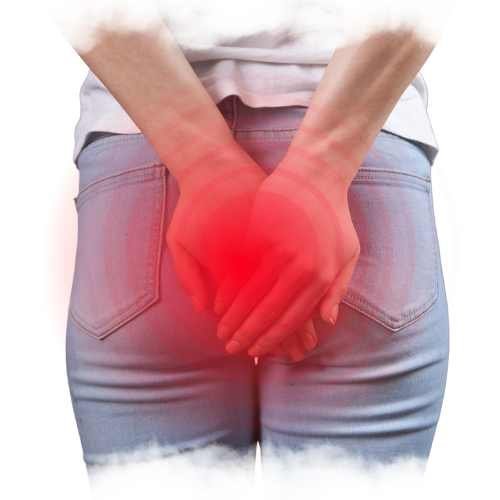
Living with piles can make even simple daily activities uncomfortable — pain, bleeding, itching, swelling, or difficulty sitting for long periods. Hari Laser Clinics offers advanced, personalised Piles Treatment in Bangalore, from lifestyle guidance for early-grade piles to painless laser piles surgery for advanced cases — a day-care procedure with minimal bleeding and a quick return to normal life.
Led by laser and laparoscopic surgeon Dr. Varun Kumar J, our team treats every grade of hemorrhoids with evidence-based care, recommending surgery only when it’s genuinely needed.
3000+
Surgeries Performed
Day-Care
Go Home Same Day
4.9★
Google Rating
Zero Cuts
Laser-Only Technique
Why Laser
Benefits of Laser Piles Surgery
🩹
Minimally Invasive
No large surgical incisions — the laser fibre treats the hemorrhoid through a tiny access point.
🩸
Minimal Bleeding
Laser energy seals blood vessels as it treats the tissue, keeping blood loss to a minimum.
✅
No Large Incisions
Less wound care, lower infection risk, and a more comfortable recovery than open surgery.
😌
Reduced Post-Op Pain
Preserving surrounding tissue means most patients report significantly less pain than after conventional surgery.
🏥
Day Care Procedure
Walk in and walk out the same day — no hospital admission required.
🏆
USFDA-Approved Tech
Laser systems used at Hari Laser Clinics are approved for precise, minimally invasive tissue treatment.
Your Specialist
Meet the Specialist – Piles Doctor in Bangalore
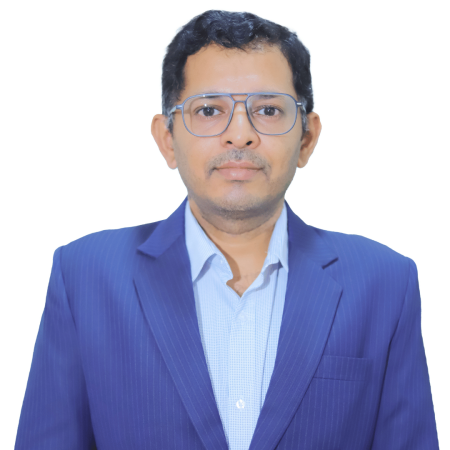
Dr. Varun Kumar J
General & Laser and Laparoscopic surgeon
- 🎓DNB – General Surgery
- 🎓FIAGES
- 🎓FMAS
18+
Yrs Overall
11
Yrs Specialist
99%
Patients Recommend
Dr. Varun Kumar J is a General, Laparoscopic and Laser Surgeon who completed his MBBS at Basaveshwara Medical College, Chitradurga, and his DNB in General Surgery at Narayana Hrudayalaya, Bangalore. He is a Fellow of the Indian Association of Gastrointestinal Endo Surgeons (FIAGES) and holds a certificate in Laser Varicose Veins Treatment. He is one of the earliest doctors in Bangalore to specialise in laser-based vein and proctology procedures, and has treated varicose veins, piles, fissure and fistula cases for patients across the city. He consults at Hari Laser Clinics along with several other reputed hospitals in Bangalore.
Understand The Condition
What Are Piles?
Piles, medically known as hemorrhoids, are swollen and enlarged veins located in the lower rectum or around the anus. Similar to varicose veins in the legs, these veins become enlarged when excessive pressure weakens their walls and supporting tissues.
Repeated pressure caused by chronic constipation, excessive straining, prolonged sitting, obesity, pregnancy, or aging can weaken these veins over time, resulting in pain, bleeding, itching, swelling, or prolapse. Piles are among the most common anorectal conditions worldwide, and seeking Piles Treatment in Bangalore at the earliest stage can help manage symptoms conservatively and reduce the likelihood of surgery.
3 Types
Types of Piles
INTERNAL PILES
- ●Location: Inside the rectum, above the pain-sensitive zone
- ●Pain: Usually painless in early stages
- ●Bleeding: Bright red bleeding during bowel movements
- ●Other signs: Mucus discharge, tissue prolapse during straining
- ●Progression: May protrude outside and need manual repositioning
EXTERNAL PILES
- ●Location: Beneath the skin surrounding the anus
- ●Pain: Pain while sitting; tender lumps
- ●Symptoms: Swelling, itching, difficulty with hygiene
- ●Complication: Can form a thrombosed pile if a clot develops
- ●Onset: Often noticed as a firm, painful lump near the anus
Prolapsed Piles
Prolapsed hemorrhoids occur when internal piles extend outside the anal opening. Initially, they may retract on their own; as the disease progresses, they remain outside permanently and may require laser surgery or other advanced treatment.
Symptoms of Piles
- ⚠Bleeding during bowel movements
- ⚠Pain while passing stools
- ⚠Burning sensation around the anus
- ⚠Itching or irritation
- ⚠Swelling near the anal opening
- ⚠Feeling of a lump around the anus
- ⚠Mucus discharge
- ⚠Difficulty sitting comfortably
- ⚠Incomplete bowel evacuation
- ⚠Tissue protruding from the anus
If you notice persistent bleeding, severe pain, or a prolapsed lump, consulting a specialist for Piles Treatment in Bangalore is recommended to prevent complications such as thrombosed piles, chronic bleeding, or anemia.
Root Causes
Causes and Risk Factors of Piles
Piles develop when excessive pressure affects the veins around the rectum and anus. Several factors contribute to this increased pressure. Interestingly, causes can differ by patient — for example, piles in women often have distinct risk factors such as pregnancy and hormonal changes.
🚽
Chronic Constipation
Repeated straining during bowel movements places continuous stress on hemorrhoidal veins.
💧
Chronic Diarrhea
Frequent bowel movements can weaken the supporting tissues around the anal canal.
🪑
Prolonged Sitting
Sitting for long periods, especially on the toilet, increases pressure on rectal veins.
🥗
Low-Fibre Diet
A diet lacking fruits, vegetables and whole grains often causes hard stools and straining.
🤰
Pregnancy
Growing uterine pressure, hormonal change and increased blood volume make piles common.
⚖️
Obesity
Excess body weight places additional pressure on the pelvic veins.
🏋️
Heavy Weight Lifting
Repeated lifting without proper breathing technique raises abdominal pressure.
⏳
Aging
Tissues supporting the veins gradually weaken with age.
🧬
Family History
A family history of piles may mean inherited weaker connective tissue.
Who Is at Risk?
- ●Over 40 years of age
- ●Chronic constipation
- ●Long hours of sitting
- ●Heavy physical work
- ●Sedentary lifestyle
- ●Overweight or obese
- ●Pregnant
- ●Low-fibre diet
- ●Frequent straining during bowel movements
- ●Family history of hemorrhoids
Although these risk factors increase susceptibility, adopting healthy bowel habits and seeking timely medical evaluation can significantly reduce the progression of the disease.
Grades of Piles
Grade I (earliest) to Grade IV (most advanced)
Grade I
Small internal hemorrhoids that bleed occasionally; no prolapse.
Diet & Observation
Grade II
Prolapse during bowel movements but return inside on their own.
Medical / Office Procedures
Grade III
Prolapse and require manual repositioning.
Laser / Stapler Surgery
Grade IV
Permanently prolapsed; may become thrombosed or strangulated.
Advanced Laser / Surgery
How Are Piles Diagnosed?
Many anorectal conditions — fissures, fistulas, rectal polyps, inflammatory bowel disease, and even colorectal cancer — can present with symptoms similar to piles, so a proper medical evaluation is essential before starting treatment.
- ✓Medical history: bleeding, pain, itching, prolapse, bowel habits, family history
- ✓Physical examination of the anal region for swelling, skin tags, or thrombosed piles
- ✓Digital Rectal Examination (DRE) to assess internal hemorrhoids and sphincter tone
- ✓Proctoscopy to visualise the anal canal and lower rectum directly
- ✓Additional investigations (colonoscopy, blood tests) when clinically indicated
This step-by-step evaluation allows Dr. Varun Kumar J to recommend the most effective, least invasive treatment tailored to your specific condition.
Point By Point
Laser vs Conventional Surgery for Piles
LASER PILES SURGERY
- ●Surgical Incisions: Minimal
- ●Pain After Surgery: Usually less
- ●Bleeding: Minimal
- ●Hospital Stay: Daycare procedure
- ●Recovery Time: Usually a few days
- ●Return to Work: Earlier
- ●Tissue Damage: Minimal
- ●Risk of Infection: Lower
CONVENTIONAL SURGERY
- ●Surgical Incisions: Larger incisions
- ●Pain After Surgery: Generally more
- ●Bleeding: More common
- ●Hospital Stay: May require admission
- ●Recovery Time: One to two weeks or longer
- ●Return to Work: Delayed
- ●Tissue Damage: Greater
- ●Risk of Infection: Comparatively higher
Although laser surgery offers many advantages, conventional surgery may still be recommended for selected patients with extensive, recurrent, or very advanced (Grade IV) disease.
Complete Benefits of Laser Piles Surgery
- ✓Minimally invasive procedure
- ✓Reduced post-operative pain
- ✓Minimal bleeding
- ✓No large surgical incisions
- ✓Lower risk of infection
- ✓Faster wound healing
- ✓Daycare procedure with same-day discharge
- ✓Shorter recovery period
- ✓Early return to work and daily activities
- ✓Reduced damage to surrounding tissues
- ✓Improved patient comfort
While individual recovery varies, many patients resume light daily activities within a few days of laser piles surgery. Curious why laser treatment is often the better choice over traditional surgery? We’ve covered that in detail, along with 10 home remedies that can ease symptoms alongside medical care.
Treatment Menu
Piles Treatment Options at Hari Laser Clinics, Bangalore
Every patient’s grade and symptoms are different — Dr. Varun Kumar J selects the least invasive option that will provide lasting relief after a detailed clinical evaluation.
1. Lifestyle Modifications & Medications
Patients with Grade I and early Grade II hemorrhoids often respond well to increased dietary fibre, adequate water intake, stool softeners, sitz baths, and topical creams. These measures relieve symptoms and help prevent recurrence, though they do not remove enlarged hemorrhoids.
2. Rubber Band Ligation
How it works:
- A small rubber band is placed around the base of the hemorrhoid
- The band cuts off the hemorrhoid’s blood supply
- Over a few days, the hemorrhoid shrinks and falls off naturally
- No hospital admission — a quick outpatient procedure
3. Sclerotherapy
A special solution is injected into the hemorrhoid, causing it to shrink over time. Recommended for small internal hemorrhoids, mild bleeding, or patients not suitable for surgery. Quick, needs no incisions, and allows same-day return home.
4. Infrared Coagulation
Heat energy is applied to the hemorrhoidal tissue, reducing blood flow and causing the hemorrhoid to shrink gradually. Often considered for Grade I and Grade II hemorrhoids with mild symptoms.
5. Advanced Laser Piles Treatment Recommended
How it works:
- Detailed pre-operative assessment of grade and symptoms
- Appropriate anaesthesia is administered
- A specialised laser fibre is introduced to the hemorrhoidal tissue
- Laser energy seals the blood vessels feeding the hemorrhoid
- The hemorrhoid gradually shrinks without large surgical cuts
- Most patients are discharged the same day
| Procedure Time | 30–45 minutes |
| Anaesthesia | Local / regional, as assessed |
| Hospital Stay | Day-care — same day discharge |
| Return to Work | 2–5 days |
| Best For | Grade II–IV hemorrhoids |
| Scars | None to minimal |
6. Conventional / Stapler Hemorrhoidectomy
For very extensive, recurrent, or severe Grade IV disease, conventional open surgery or stapler hemorrhoidopexy may still be recommended. It involves larger incisions, more post-operative pain, and a longer recovery (one to two weeks) compared to laser treatment.
What Happens During Laser Piles Surgery? Step-by-Step
1
Consultation
Clinical evaluation to identify the exact type and grade of piles before recommending treatment.
2
Pre-Op Assessment
A thorough clinical evaluation and fitness check ahead of the procedure.
3
Anaesthesia
Appropriate local or regional anaesthesia is administered for a comfortable procedure.
4
Laser Fibre Insertion
A specialised laser fibre is introduced to the affected hemorrhoidal tissue.
5
Laser Sealing
Laser energy seals the blood vessels feeding the hemorrhoid from within.
6
Hemorrhoid Shrinkage
The hemorrhoid gradually shrinks without the need for large surgical cuts.
7
Same-Day Discharge
After a short observation period, most patients are discharged the same day.
8
Follow-Up Review
A follow-up visit confirms healing is progressing well.
Cost of Piles Treatment in Bangalore
The cost of piles treatment varies depending on the grade of the condition, the treatment recommended, the complexity of the procedure, and the patient’s individual medical needs.
₹37,000 – ₹85,000
Factors That Influence the Cost
📊
Grade & Severity
More advanced grades may require more involved procedures.
🩹
Internal / External / Prolapsed
The type of hemorrhoid affects the recommended approach.
🔢
Number of Hemorrhoids
More hemorrhoids requiring treatment increases procedure scope.
🪚
Laser or Conventional
The technique used affects overall cost and recovery.
🧪
Anaesthesia & Diagnostics
Type of anaesthesia and any pre-op investigations required.
➕
Associated Conditions
Presence of fissure, fistula, or recurrent piles can affect cost.
Does Health Insurance Cover Piles Surgery?
Many health insurance providers cover piles surgery when it is considered medically necessary. Depending on your policy and eligibility, you may be able to avail cashless treatment or reimbursement. Our team assists with insurance verification and documentation.
Get an Exact Cost Estimate
Since every patient’s condition is unique, the most accurate cost can only be determined after a detailed consultation. Dr. Varun Kumar J will evaluate the grade of your piles and recommend the most suitable treatment along with a transparent estimate.
The HLC Difference
Why Choose Hari Laser Clinics for Piles Treatment in Bangalore?
🏥
Experienced Proctology Team
Diagnosing and treating hemorrhoids with evidence-based, minimally invasive techniques. New to this condition? Start with our patient-friendly explanation of what piles are.
🧑⚕️
Personalised Treatment Plans
Customised to your grade, symptoms, lifestyle and overall health.
✅
Advanced Laser Technology
Precise procedures with minimal tissue damage for a more comfortable recovery.
🚪
True Daycare Surgery
Most laser procedures are completed within a short time, same-day discharge.
📍
Multiple Convenient Locations
6 clinics across Bangalore for easily accessible consultation.
🔄
Focus on Long-Term Relief
Dietary advice and lifestyle guidance to reduce the chances of recurrence.
💰
Insurance & Cashless Facilities
Assistance with cashless hospitalisation, reimbursement and documentation.
Recovery After Piles Treatment – What to Expect
🏁
Day 0
Procedure done, discharged the same day after observation.
🚶
Day 1–3
Mild discomfort and minimal bleeding; early mobilisation encouraged.
💼
Week 1
Most patients resume office work and daily routine.
🩹
Week 2–4
Continued healing; follow-up review as advised.
✅
4–6 Weeks
Complete recovery for most patients.
Pre- and Post-Procedure Care Instructions
ℹ Before Your Procedure
- ℹShare your full medical history and current medications
- ℹArrange for someone to accompany you on the day
- ℹWear loose, comfortable clothing
- ℹFollow any fasting instructions given by your surgeon
- ℹAsk any questions you have during your consultation
✓ After Your Procedure
- ✓Drink adequate fluids and eat a fibre-rich diet
- ✓Avoid constipation and straining
- ✓Take prescribed medications as directed
- ✓Maintain proper hygiene of the treated area
- ✓Avoid heavy lifting for a short period
Staying well-hydrated and getting enough rest also matter more than most people realise — learn more about how hydration and sleep can help prevent piles.
Can Lifestyle Changes Help Prevent Piles from Recurring?
🥗
High-Fibre Diet
Eat plenty of fruits, vegetables and whole grains.
💧
Drink Plenty of Water
Supports softer stools and easier bowel movements.
🏃
Exercise Regularly
Improves bowel function and circulation.
⏳
Avoid Prolonged Sitting
Especially on the toilet; take regular breaks if desk-bound.
🚽
Respond Promptly
Don’t delay the urge to pass stools.
⚖️
Maintain Healthy Weight
Reduces sustained pressure on pelvic veins.
🚫
Avoid Straining
Don’t force bowel movements; treat constipation early.
Areas We Serve for Piles Treatment in Bangalore
Hari Laser Clinics is conveniently accessible for patients seeking piles treatment across South Bangalore, including:
JP Nagar 1st Phase
BTM Layout
Koramangala
Sarakki
Jayanagar 4th Block
Jayanagar 5th Block
Wherever you are in South Bangalore, our Jayanagar clinic and nearby branches are just a short drive away for consultation and treatment.
Get Expert Care for Piles Treatment in Bangalore
Dr. Varun Kumar J brings extensive surgical experience and a dedicated focus on laser proctology to every case at Hari Laser Clinics. Patients consistently rate the clinic 4.9 out of 5 stars on Google, citing painless recovery and transparent pricing.
With laser piles treatment priced between ₹37,000–₹85,000 and flexible scheduling for working professionals, quality piles care in Bangalore doesn’t have to mean long hospital stays or high costs.
If you’re ready for lasting relief, book a consultation today.
Commonly Asked Questions
Yes. Early-stage hemorrhoids often improve with dietary changes, medications, hydration, and lifestyle modifications. However, advanced grades may require minimally invasive procedures or surgery.
Laser piles surgery generally causes less pain than conventional hemorrhoidectomy because it involves minimal tissue damage and smaller wounds.
The procedure usually takes 30–45 minutes, depending on the number and severity of the hemorrhoids.
Yes. Most patients undergoing laser surgery are discharged on the same day after a short observation period.
Many patients resume office work within 2–5 days, although recovery varies depending on individual healing and the nature of the job.
Recurrence is possible if constipation, prolonged straining, obesity, or unhealthy bowel habits continue. Following dietary advice and maintaining a healthy lifestyle can significantly reduce the risk.
No. Rectal bleeding may also occur due to anal fissures, colorectal polyps, inflammatory bowel disease, or colorectal cancer. Any persistent bleeding should be evaluated by a specialist.
Yes. Pregnancy increases pressure on the pelvic veins and commonly contributes to hemorrhoids. Many pregnancy-related piles improve after delivery, although some patients may require treatment later.
Patients are generally advised to limit highly processed foods, low-fibre diets, excessive alcohol, and inadequate water intake. A fibre-rich diet supports easier bowel movements.
Simple lifestyle changes help, including a high-fibre diet, drinking plenty of water, regular exercise, avoiding prolonged sitting, responding promptly to the urge to pass stools, and maintaining a healthy body weight.